Expert Canine Grooming: Maintain Your Pooch Happy and Fit
Professional dog grooming constitutes an essential service in promoting the vitality of pets. It goes beyond cosmetic improvements, addressing care-related concerns such as tangles and skin conditions. Regular grooming strengthens visual presentation and also deepens the bond between pets and their owners. Familiarizing yourself with grooming practices and its merits can enable pet parents make thoughtful decisions. What points merit consideration when locating an experienced groomer? The conclusions might fascinate you.
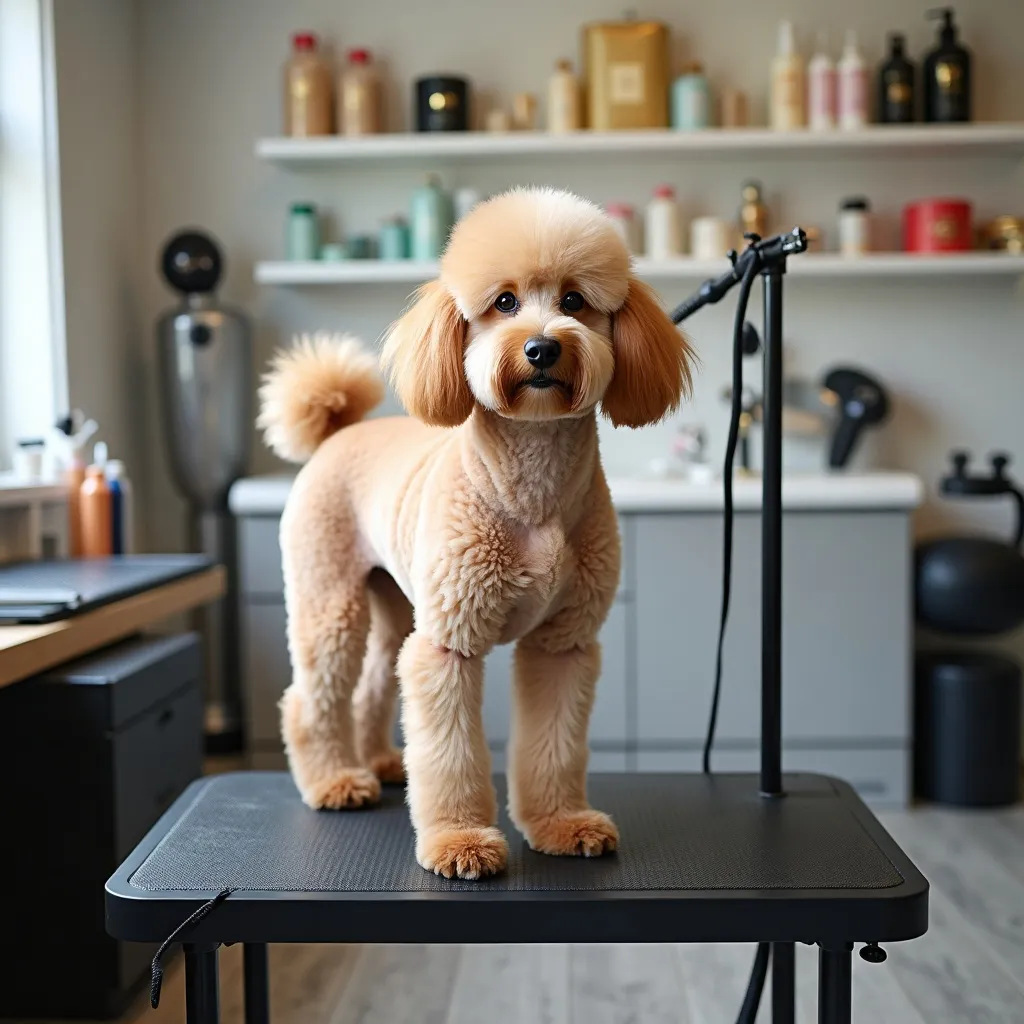
The Value of Regular Dog Grooming
Although many pet parents may disregard grooming as merely an aesthetic concern, the value of routine canine grooming goes far outside appearance. Grooming plays a significant role in maintaining a dog's overall health and well-being. Regular brushing removes loose fur and prevents matting, which may cause skin irritations and infections. It also promotes healthy skin by dispersing natural oils, boosting coat shine and texture.
Also, grooming sessions allow owners to inspect their dogs for symptoms of external parasites or skin conditions, enabling early detection and treatment. Nail trimming is an equally critical aspect; too long nails can cause discomfort walking and joint problems. Moreover, cleaning the ears and teeth prevents infections and dental diseases. Ultimately, regular grooming fosters a deeper bond between the dog and its owner, contributing to a happier, healthier pet. Prioritizing grooming is an essential responsibility that supports both physical health and emotional well-being.
What to Expect During a Professional Grooming Appointment
Throughout a professional grooming session, dog owners can envision a structured process aimed at refine their dog's presentation and cleanliness. Various tools and techniques will be employed to validate productive grooming, tailored to each dog's specific needs. Following the experience, maintenance guidelines and aftercare advice will be shared to help keep the dog's groomed state.
A Comprehensive Overview to the Grooming Steps
A skilled grooming session typically involves several key steps aimed at enhance a dog's appearance and well-being. Right away, the groomer evaluates the dog's fur, skin condition, and general wellness, determining any distinct needs. The initial stage often includes bathing the dog with appropriate shampoo, followed by complete drying. After the dog is dry, the groomer brushes the coat to remove mats and shed hair. This is often accompanied by claw clipping and ear care, guaranteeing full discover the information hygiene. Depending on the breed, additional steps like clipping or styling may be carried out to achieve the desired look. In conclusion, the session concludes with a final inspection, making sure the dog looks and feels its finest, ready to leave the grooming salon happy and refreshed.
Instruments and Techniques Utilized
Professional dog grooming involves a selection of specialized tools and techniques meant to guarantee optimal care and hygiene. Groomers frequently use clippers for precise fur trimming, ensuring a clean and stylish look. Shears are used for fine, allowing for varying lengths and textures. Brushes and combs help detangle and clear loose fur, contributing to a healthy coat. De-shedding tools may be employed to reduce shedding and maintain cleanliness at home. Bathing equipment, including shampoos and conditioners made specifically for specific coat types, keeps the skin and fur in top condition. Additionally, nail clippers and grinders are crucial for maintaining paw health. Each tool has a specific use, ensuring that every aspect of the dog's grooming needs is properly addressed.
Aftercare and Maintenance Tips
Grooming appointments not only boost a dog's look but also serve an important role to overall wellbeing. After a professional grooming appointment, owners must follow specific aftercare measures to care for their dog’s fur and skin. Regular brushing should continue at home, preferably multiple times per week, to prevent fur tangles and remove loose fur. Bathing intervals should be balanced; too frequent washing may remove natural oils. Owners should check their dog’s skin for any symptoms of discomfort or allergies, reporting concerns to a veterinarian when needed. Hydration is key, so fresh water should always be available. Ultimately, maintaining a consistent grooming routine will keep a dog looking and feeling its best all year long.
Grooming Essentials That Every Dog Needs
Every dog owner should possess vital grooming gear to sustain their pet's health and appearance. A high-quality brush is fundamental, as it helps remove loose fur and debris while distributing natural oils, keeping the coat brilliant. For dogs with long hair, a slicker brush can resolve tangles effectively.
Nail clippers or grinders are vital for maintaining paw health, avoiding painful overgrowth. A gentle ear cleaner can help prevent infections, while dog-friendly shampoos ensure the skin remains healthy during baths.
In addition, a grooming station can present a stable surface, rendering the grooming process more manageable for both the dog and the owner.
Ultimately, purchasing a good pair of scissors will help in cutting and final details, guaranteeing the dog looks its best. Having these tools on hand permits owners to offer regular grooming, enhancing the bond between them and their furry companions.
The Way Regular grooming Ensures Your Dog Healthy
Grooming serves as an essential role in maintaining a dog's overall health. Regular grooming helps guarantee skin health by eliminating dirt and debris, while also avoiding matting that can cause discomfort. This routine practice not only keeps a dog's coat in optimal condition but also supports their physical well-being.
Skin Health Rewards
Routine grooming functions as a vital safeguard for a dog's skin health, supporting overall well-being. It clears away dirt, debris, and loose hair, preventing skin irritations and infections. By frequently grooming a dog's coat, the natural oils are allocated evenly, boosting skin hydration and luster. In addition, grooming gives for early spotting of potential skin issues, such as rashes or parasites, allowing timely intervention. This preventative approach not only helps the dog's comfort but also minimizes the risk of more serious health concerns. Moreover, grooming sessions can enhance blood circulation, which aids healthy skin regeneration. Overall, maintaining a consistent grooming routine is critical for achieving ideal skin health and developing a happier, healthier pet.
Stops Matting Concerns
A regular grooming schedule not only promotes skin health but also plays an essential role in preventing matting issues. Mats can develop when hair gets tangled with the dog's fur, often leading to skin irritations and discomfort. Regular brushing eliminates dirt, debris, and dead hair, guaranteeing the coat stays healthy and free-flowing. For breeds with long hair, daily grooming is particularly important to prevent knots and tangles that can worsen if neglected. Additionally, professional groomers possess the expertise to identify early signs of matting and take A consistent grooming schedule not only promotes skin health but also plays a essential role in avoiding matting issues. Mats can form when hair gets tangled with the dog's fur, often leading to discomfort and skin irritations. Regular brushing eliminates dirt, debris, and dead hair, ensuring that the coat remains healthy and free-flowing. For breeds with long hair, daily grooming sessions is especially vital to prevent tangles and knots that can worsen if left unattended. Furthermore, professional groomers possess the expertise to Establishing a regular grooming routine supports healthy skin and plays an essential role in preventing matting problems. Matting happens when tangled hair gets caught in the dog's coat, commonly leading to skin irritations and discomfort. Regular brushing gets rid of dirt, debris, and dead hair, keeping the coat healthy and healthy. For dogs with long hair, daily grooming is especially important for preventing knots and tangles that worsen if left alone. Additionally, experienced professionals have the ability to identify first signs of matting and take appropriate action.
How to Locate the Top Pet Care Service?
When choosing the perfect pet grooming for a dog, pet owners often question what factors will ensure their furry friend gets the best treatment. First, they should investigate the grooming facility's reputation, seeking out feedback and recommendations from other pet owners. A clean, well-organized space indicates expertise and careful consideration. Additionally, evaluating the team's credentials and background is essential; certified groomers are often more informed about proper techniques and breed-specific needs.
Pet owners should also inquire into the available services, such as bathing, nail trimming, and ear cleaning, ensuring they match their dog's requirements. Touring the facility in advance can offer insight into how dogs are treated during grooming appointments. In conclusion, considering the grooming service's proximity and pricing will enable pet owners to make a informed decision that fits their lifestyle and budget, eventually guaranteeing a positive grooming session for their beloved pet.
Grooming Pointers for Specific Breeds
Several canine types have unique care needs that can greatly impact their appearance and well-being. For instance, varieties such as Poodles require consistent grooming to avoid matting in their curly coats, requiring professional care every four to six weeks. In contrast, breeds with short hair such as Beagles gain from periodic combing to remove loose hair and distribute natural oils, making their care regimen easier to manage.
Long-haired types, such as Golden Retrievers, demand more consistent brushing, preferably two to three times a week, to keep their coats without tangles and well-maintained. In addition, types with distinct skin conditions, like Bulldogs, may need targeted products to maintain skin health. Consistent nail trimming is essential for all types, but notably for those less active, as overgrown nails can lead to soreness. Understanding each breed's grooming requirements is vital for promoting their overall well-being and joy.
Warnings Your Dog Requires Grooming Services
Recognizing the signs that a dog needs grooming care can significantly improve its overall health and well-being. One of the most obvious signs is matting in the fur, which can lead to skin issues or infections if left untreated. In addition, an upsurge in shedding or a noticeable odor may signal that a grooming session is overdue.
Dogs that frequently scratch or bite at their skin could be feeling discomfort from tangled fur or parasites, necessitating immediate grooming attention. Moreover, overgrown nails can lead to pain and walking difficulty, making periodic nail trimming critical.
In conclusion, if a dog demonstrates a alteration in conduct, such as becoming more irritable or withdrawn during brushing, it might reveal that grooming is due. Responding to these signs promptly can guarantee that a dog's coat stays lustrous and maintain its overall well-being.
Frequently Requested Queries
How Often Should I Bathe My Dog at Home?
It is recommended that dogs be maintained every four to six weeks, based upon their coat type and hair shedding. Regular brushing at home helps maintain coat health and reduces matting in between professional grooming visits.
Will Grooming Minimize Shedding Difficulties?
Grooming can markedly cut down on shedding difficulties by clearing away loose fur and dander. Regular brushing facilitates maintaining a dog's coat, advancing healthier skin and lowering allergens in the environment, ultimately forming a cleaner living space.
What Options Do I Have if My Dog Resists Grooming?
If a dog is averse to grooming, patience is essential. Incremental familiarization to the grooming process, providing treats and praise, can help. Additionally, consulting a professional groomer for strategies tailored to the dog's specific needs may be advantageous.
Can You Find Maintenance Options for Aging Dogs?
Grooming options for older canines encompass gentle, low-stress techniques such as manual brushing, foam bathing, and using specialized tools. Regular maintenance maintains their skin healthy and manageable coat, improving their general wellness and comfort.
In What Ways Can I Groom-Ready My Dog for Grooming Appointments?
Owners should prepare their pet for grooming appointments by familiarizing their dog to brushing routines, practicing handling paws and ears, employing positive reinforcement, and booking regular visits to build a calm, tension-free grooming experience.